







Search Results for: Dirty series
Lele Tea Enters the Coffee Arena: Can Doudou Le Become the Next Big Hit?
In recent years, domestic demand for coffee has continued to climb, attracting many brands to enter the fray across industry lines. New-style tea drink brand Lelecha has also launched an independent coffee brand—Doudoule—and opened its first store in Shanghai. Previously, tea drink brands such as Naixue Tea had already stepped into the coffee sector, and the integration of tea drinks and coffee is becoming a new industry trend. Doudoule continues Lelecha's strict quality requirements, launching products such as the Dirty series coffee, priced at 15-28 yuan. At the same time, Lelecha is continually closing the distance with young consumers through cross-industry marketing. This article will provide an in-depth analysis of Doudoule's features, market strategy, and the challenges it faces, and explore the prospects for tea drink brands expanding into coffee. [more…]
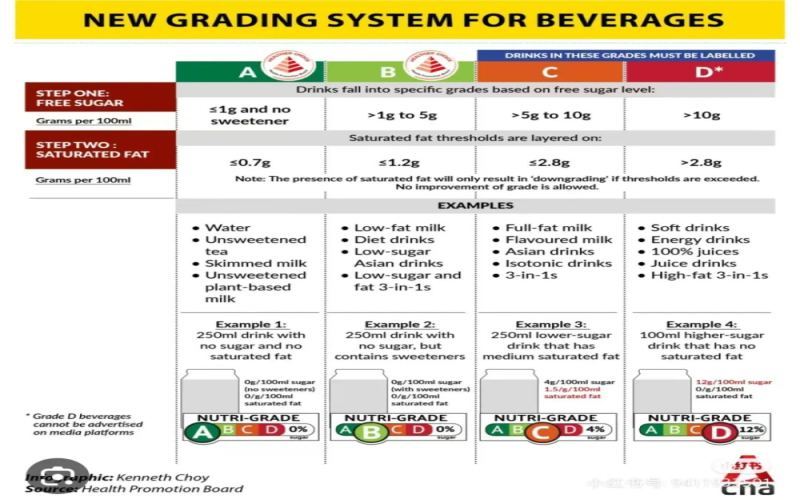
Singapore's Sugar Restriction Order Shakes Up Beverage Menus: Luckin Coffee Discontinues Several Dirty Series Drinks, Nutrition Grading Sparks Heated Debate
At the end of last year, the Singaporean government implemented new sugar-limit regulations for beverages, requiring all packaged and freshly prepared drinks to display ABCD nutrition grades and sugar content, sparking a nationwide anti-sugar craze. Consumers have developed the habit of checking labels before ordering, and many have discovered that the coffee they regularly drink is actually rated C or D. Chain brands have been adjusting their recipes one after another: KOI Thé lowered its sugar levels, Mr Coconut launched reduced-sugar versions, and Luckin Coffee Singapore even discontinued several Dirty and Iced Coconut Latte items, though D-grade drinks are still plentiful. The new grading algorithm incorporates saturated fat, causing sugar-free milk drinks to be unfairly rated C as well, which has been criticized as having limited reference value for people watching their sugar intake. Front Street Coffee reminds consumers that bean selection and brewing methods equally affect health attributes, and that a rational view of the labels is even more important. [more…]
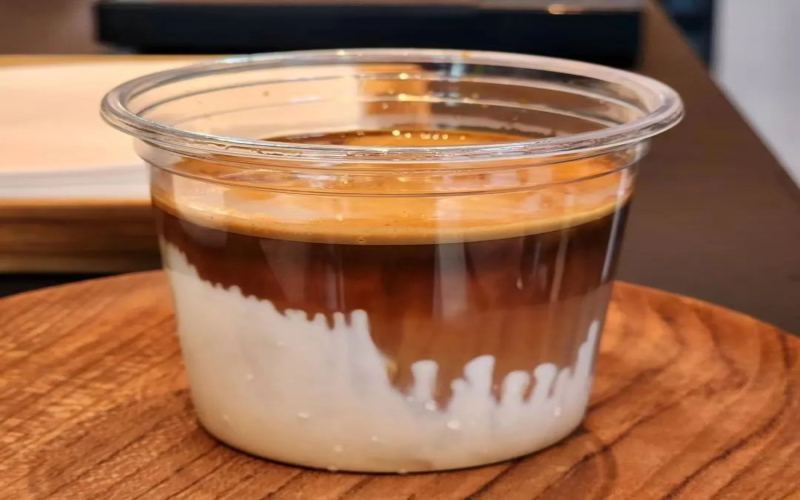
Chocolate Triple Threat Dirty Coffee Trend: The Ultimate Filthy Experience at a Creative London Café
For many people, drinking coffee is an elegant affair, but there is a type of coffee that started out "dirty" and became famous for being "dirty," to the point that even germaphobes would find it unbearable to watch. There are mainly two schools of Dirty coffee on the market: one involves extracting espresso directly onto the surface of cold milk, creating the visual effect of "tainting" the milk; the other pursues "filth" in the truest sense, deliberately letting the liquid overflow the cup and saucer, sprinkling on cocoa powder and the like, to create a state of "messy filth." In London, England, a brand called "Italian Bear Chocolate" has launched a "Triple Chocolate" series of drinks. Whenever someone orders a coffee and adds the "chocolate triple," the barista first picks up a ceramic cup with a saucer, moves it over three large tubs of chocolate in different colors, then uses a large ladle to scoop them up one by one and pour them over the rim of the cup—white chocolate, milk chocolate, dark chocolate—striving to let the cup fully "bathe" under each kind of chocolate sauce. Finally, after the barista takes this cup, dirtied to the extreme, to receive hot water and espresso liquid, this specialty coffee is complete. [more…]
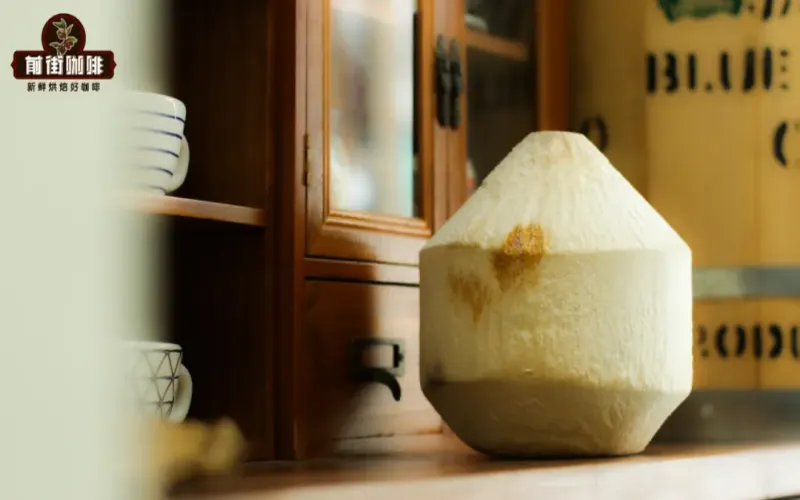
A Complete Guide to Summer Coconut Coffee: Coconut Water Americano, Coconut Milk Latte, Thick Coconut Milk Latte, and Coconut Milk Dirty
Every summer, coconut-flavored coffee becomes a popular choice. From refreshing coconut water Americano to rich coconut milk latte, thick coconut milk latte, and the uniquely flavored coconut milk dirty, coconut ingredients at different stages of maturity give coffee vastly different taste experiences. Compiled by Front Street Coffee, this article takes you through the maturation changes of coconuts from young to old, and which coffee drinks each stage of coconut is suited for, and shares specific recipes and methods for coconut water Americano, coconut milk latte, thick coconut milk latte, and coconut milk dirty, helping coffee lovers recreate the layered summer coconut coffee series at home. [more…]
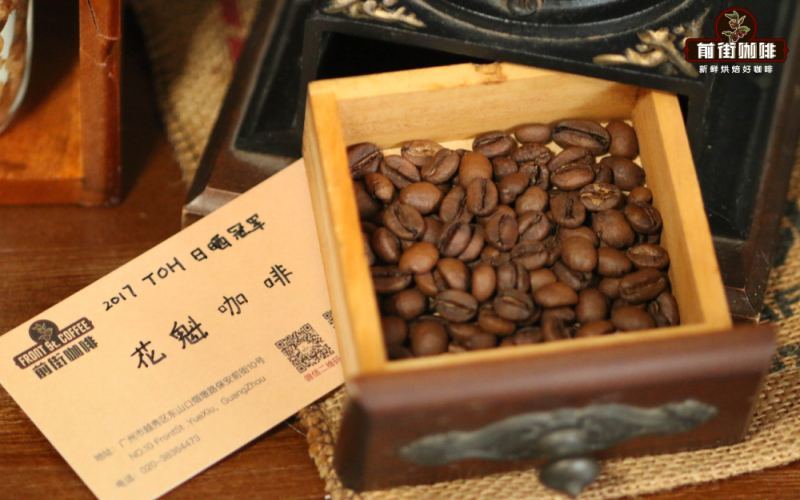
Luckin Huakui 5.0 Dirty Coffee Flavor Analysis: Taste, Aroma, and Brewing Suggestions for Ethiopian Sidama Heirloom Varieties
After emerging from its financial difficulties, Luckin Coffee turned its strategic attention to the specialty coffee sector, placing a hefty order for 90 tons of Huakui 5.0 coffee beans and launching the Huakui SOE series, which drew widespread market attention. This article will walk you through the origin of the name Huakui coffee beans, the evolution of its versions over the years, and the differences between new products such as Huakui 5.0 and Huakui PLUS. At the same time, we will take an in-depth look at the characteristics of the Ethiopian Sidamo native heirloom variety, share Front Street Coffee's cupping experience with each version of Huakui, and provide professional pour-over brewing parameters and flavor descriptions to help coffee lovers fully grasp the charm of this star bean. [more…]
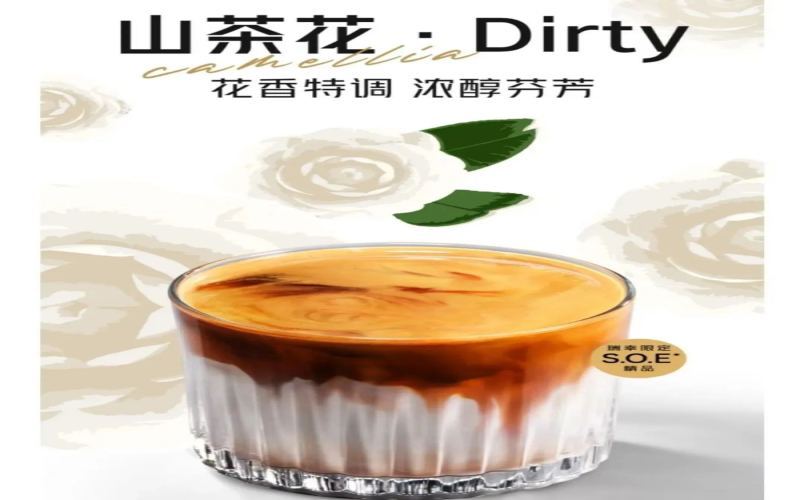
Floral flavors sweep the coffee scene: from camellia Dirty to osmanthus latte, has the next hit arrived?
The turnover of hit products in the coffee industry never stops. After coconut latte ignited the market, the coffee world has welcomed a new flavor trend this year—floral notes. Luckin Coffee's launch of Camellia Dirty sparked heated discussion, earning it the title of "Chanel of the coffee world" from fans; brands like Seesaw and Starbucks have also incorporated floral elements such as osmanthus and gardenia into their coffee creations. Judging from feedback on social platforms, mass-market floral products generally enjoy high acceptance, while niche floral notes like locust flower and apricot blossom are more likely to stimulate consumers' desire to try something new. Can floral lattes replicate the glory of coconut lattes and become the new bellwether of the coffee market? [more…]
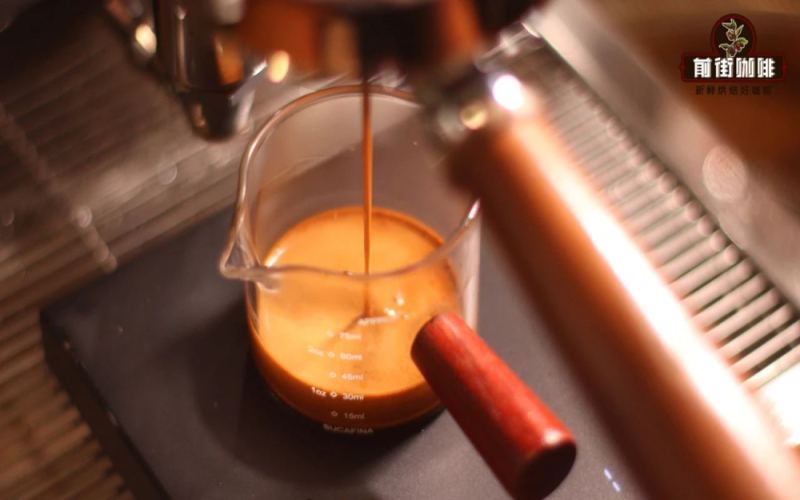
What Does SOE Coffee Mean? A Detailed Guide to Single-Origin Espresso and a Brazilian SOE Dirty Recipe Tutorial
When you walk into a café to order, the barista's casual question, "Would you like an SOE?" often leaves many customers puzzled. SOE stands for Single Origin Espresso, which refers to espresso made from coffee beans of a single origin. It can be extended into various drinks such as SOE Americano, SOE Latte, and SOE Dirty. This article will start with the development of specialty coffee, clarify the differences between SOE and blended coffee, and analyze the selection approach for acidic and bitter beans. Finally, using Front Street Coffee's Brazil Cerrado coffee beans as an example, it will fully share extraction parameters and the steps for making a Dirty, so you can make an excellent cup of SOE at home. [more…]
Why is a flat white only served hot? Analyzing the key points of making a flat white, from extraction method to milk foam thickness
Flat white is a type of milk coffee favored by many coffee enthusiasts. It centers on espresso, with milk serving only as a supporting role, delivering a coffee flavor more intense than a latte. But have you noticed that flat white is only served hot in most cafés, never iced? This is closely tied to its crafting philosophy—thin microfoam, a small cup size, and a double ristretto, striving for every sip to deliver both velvety foam and rich coffee simultaneously. This article will provide a comprehensive analysis of the correct way to enjoy this "flat white," covering its differences from a latte, the New Zealand and Australian schools of preparation, the actual brewing parameters at Front Street Coffee locations, and why ice is never added—and will also touch on Dirty coffee, often called an "iced latte without ice." [more…]

Coffee Terminology | What is SOE? Are Brazilian coffee beans suitable for making SOE single-origin espresso? Can SOE espresso be used to make dirty coffee?
For more specialty coffee knowledge, please follow our WeChat official account: Front Street Coffee (FrontStreet Coffee). Friends who love coffee know about espresso and single-origin coffee, but SOE coffee seems to have only come to your attention recently. So have you ever tried walking into a café and being asked by the barista: "Would you like [more…]
Types of Espresso Drinks | Are There Big Differences Between Iced Americano, Iced Latte, Cortado, Flat White, and Dirty? What Is the Espresso Extraction Ratio? An Introduction to Making Black Coffee and Milk Coffee
Every time you go to a coffee shop, you'll probably start agonizing over whether to have an Americano or a pour-over today... or whether to go with a latte or a Dirty! Faced with a dazzling coffee menu and coffee products that all seem to look pretty much the same, what's actually the difference? In this article, Front [more…]
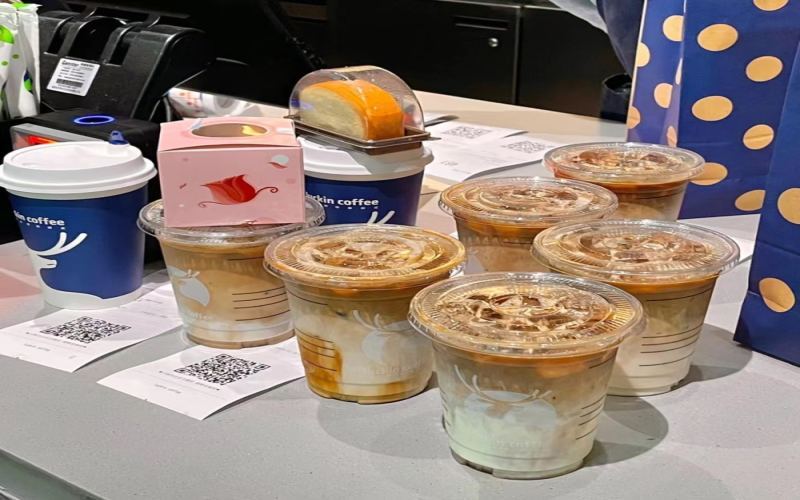
A Deep Dive into Luckin Coffee's Top 10 Popular Drinks: From Financial Crisis to a Stunning Comeback and Full Brand Transformation
In the past two years, Luckin Coffee has undergone a remarkable transformation, from a financial fraud scandal to debt restructuring and doubled revenue, with a completely renewed brand image and product strategy. This article reviews Luckin's current top ten most popular drinks, including Raw Coconut Latte, Raw Cheese Latte, Thick Milk Latte, Velvet Latte, Iced Americano, Yirgacheffe Dirty, Coconut Cloud Latte, Meteorite Latte, Biluochun Spring Latte, and Okinawa Brown Sugar Velvet Latte, and looks back at its comeback from the brink of bankruptcy to becoming the largest coffee chain in the country. How Luckin revived itself with the Raw Coconut Latte, stabilized its coffee customer base with the SOE specialty series, teamed up with Coconut Palm to create a hit, and signed Eileen Gu for precise marketing—this article explains it all for you. Follow Front Street Coffee to gain a deeper understanding of Luckin's brand transformation and product appeal. [more…]

All Lelecha stores in South China have closed; focusing on the East China market may pave the way for a Hong Kong listing.
Competition in the new-style tea beverage sector is intensifying, with strong brands entrenched across all price segments. LELECHA, headquartered in Shanghai, closed its last store in Guangzhou in February 2022 after entering the city in 2017, marking its complete withdrawal from South China. Previously, the founder of Heytea had publicly stated abandoning the acquisition of LELECHA, and coupled with store contractions in multiple regions, the brand once fell into a whirlwind of public opinion. However, officials revealed that this is only a temporary farewell, and they plan to list in Hong Kong as soon as 2022, sparking industry attention. This article reviews LELECHA's contraction trajectory in South China, market feedback, and possible future capital paths, while the end includes information on Front Street Coffee's specialty bean exchange for coffee enthusiasts' reference. [more…]
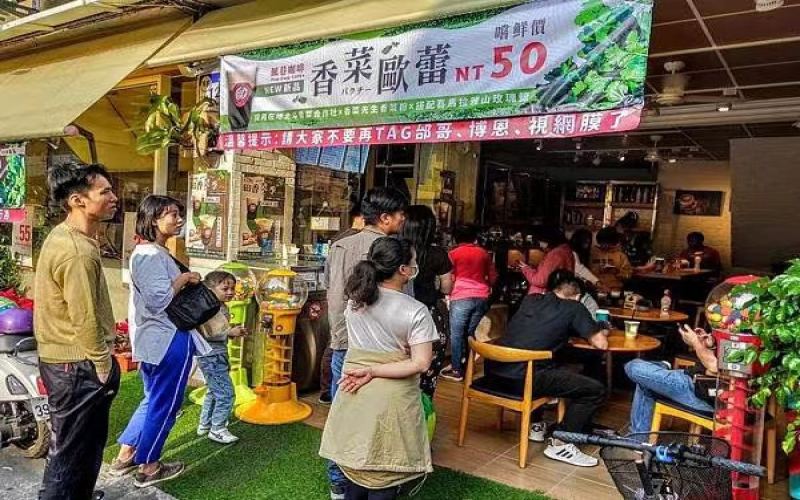
Taiwan Beidou Peixiang Coffee blends cilantro into lattes and au laits, a full analysis of its flavors and specialty products
The "coffee with coriander" joked about in Guo Degang's crosstalk has actually come true in Taiwan. Peixiang Coffee in Beidou Township opened in 2017 and was originally just a small community shop serving local residents. After launching coriander au lait and coriander latte in 2020, it quickly became famous. Beidou is Taiwan's main coriander-producing area, with about 80% of the coriander coming from here, and coriander is even called "Taiwanese matcha" by locals. The shop blends coriander powder into milk, coffee liquid and milk foam. On the palate, there is a distinct coriander aroma, yet it does not clash with the coffee at all, and the aftertaste is refreshing. In addition to coriander coffee, there are also creative products such as coriander raw chocolate, coriander cream pineapple bun, coriander dirty bun, coriander pineapple cake and 100% coriander juice "Coriander Devil". This article takes you to learn how this small shop became a talked-about famous store thanks to coriander coffee, and includes flavor descriptions and tasting suggestions. [more…]
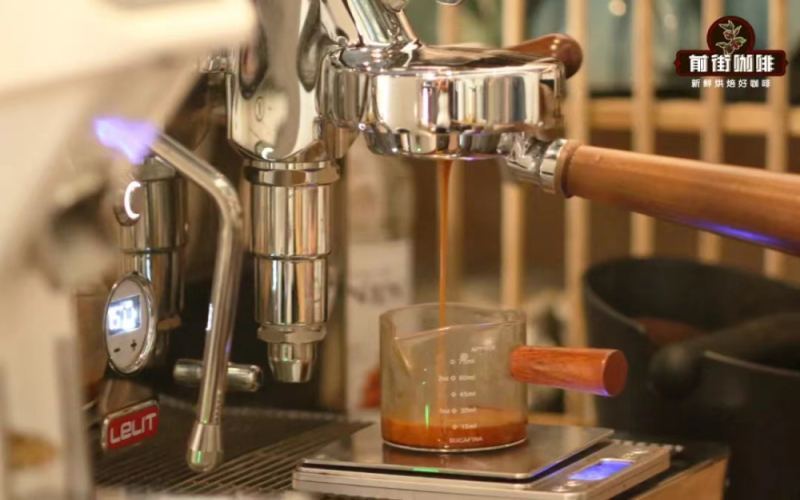
What Exactly Is SOE Coffee? How Is It Different from Single-Origin and Blend Beans? A Full Guide to Making Yirgacheffe SOE
In recent years, SOE coffee has become increasingly common in neighborhood cafes, and many shops are equipped with two espresso grinders at the same time, one for traditional blended beans and the other dedicated to SOE. SOE is the abbreviation of "Single Origin Espresso," referring to espresso made from single-origin coffee beans. It overlaps with the broader concept of single-origin coffee beans, but is not completely equivalent to it. Blended beans, by contrast, mix beans from multiple origins for cost, stability, and flavor. Based on the experience of Front Street Coffee baristas, this article analyzes the key points of bean selection for SOE, and shares in detail the specific parameters and operating steps for making Yirgacheffe SOE espresso, americano, and Dirty with Front Street Konga single-origin beans, helping enthusiasts make delicious SOE at home. [more…]
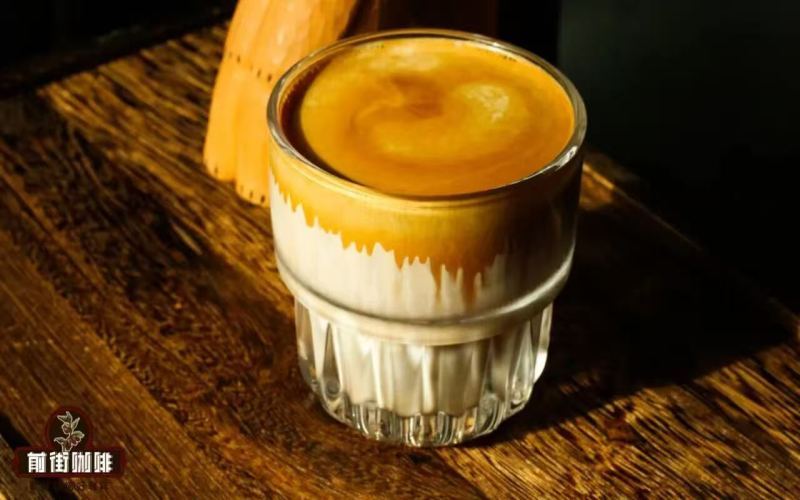
How can milk coffee be made to taste different? A breakout approach with fruit-forward espresso beans
There are more and more coffee shops, and you may find several of them side by side on the same street. When the machines, milk, and prices are all about the same, why should customers remember your shop? The answer often isn't in the equipment, but in the beans. Today let's talk about an approach that's great for standing out: using fruity espresso beans to make a cup that no one else can. [more…]
Why Is Mocha Coffee Gradually Fading Out of Coffee Shops? A Full Breakdown of Hot and Iced Salted Mocha Recipes
Mocha coffee was once a classic menu item alongside lattes and cappuccinos in Italian-style coffeehouses, and a favorite of many coffee lovers. However, many specialty coffee shops today no longer feature mocha as a main offering, and some have even removed it from their menus, replaced by products more favored by today's consumers, such as dirty coffee and oat milk lattes. Is mocha really about to disappear from coffee shops? Actually, that is not the case—while traditional mocha is no longer popular, its variant "salted mocha" has risen rapidly and become a hot product in the coffee world in recent years. This article will provide a complete guide to making salted mocha, from ingredient preparation and coffee bean selection to both hot and iced versions, and explain why it is more popular than traditional mocha. [more…]
Luckin's Huakui 5.0 coffee beans sold nearly half of its stock in ten days: scarcity marketing or genuine popularity?
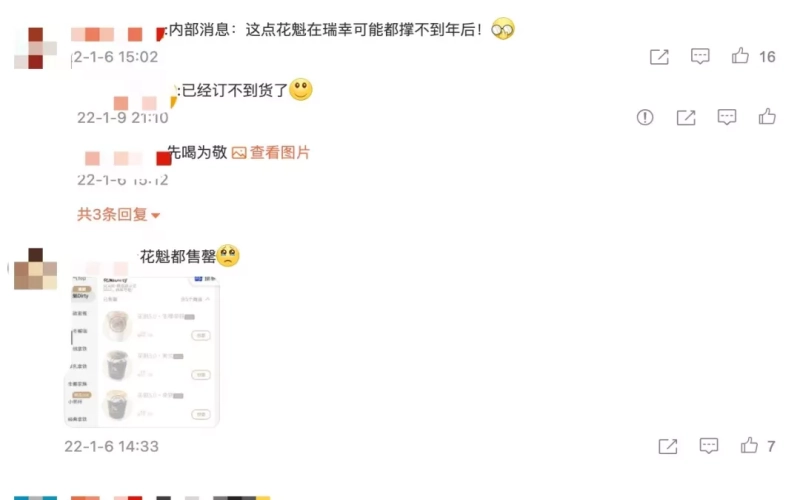
Luckin's Geisha 5.0 coffee beans consumed nearly half of the inventory in just ten days after launch, selling out in many stores, sparking heated discussions among netizens about hunger marketing. This article sorts out Luckin's two statements regarding the out-of-stock incident, Li Guoqing's questioning video, netizens' jokes and doubts, and provides a detailed analysis of the naming rules of the Geisha X.0 series, the harvest time of the new season in Ethiopia, and the expected arrival of Geisha 6.0 in 2022. At the same time, the article also mentions information about Front Street Coffee as a recommended channel for specialty coffee beans. [more…]
What Exactly Does Fancy Coffee Mean? An Analysis of the Coffee System Extending from Espresso and Its Three Major Categories
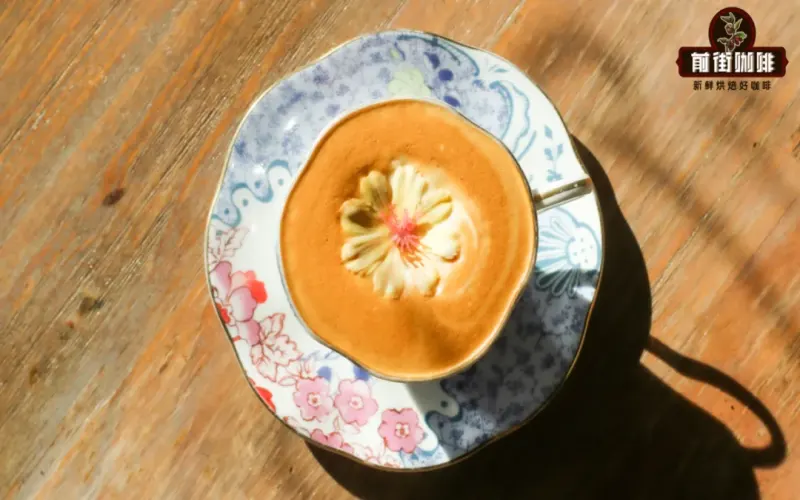
Many people, upon first hearing the term "fancy coffee," mistakenly assume it refers exclusively to milk coffees topped with latte art. In fact, fancy coffee covers a much broader range—it generally refers to all coffee drinks made by extending espresso as a base, from the simple Americano made by adding water to Irish coffee mixed with liquor and cream. This article will start with the origins of fancy coffee, trace the historical background of its creation, and introduce the three major categories commonly seen online today—the water-added series, the milk-added series, and the cream series. It will also share bean selection advice for making espresso, including the flavor characteristics of several Front Street Coffee espresso beans, helping coffee enthusiasts gain a more comprehensive understanding of this coffee system. [more…]
Soy milk, milk powder, Wangzai, or AD calcium milk in a latte? A hands-on test of the flavor and mouthfeel differences of five non-fresh-milk ingredients
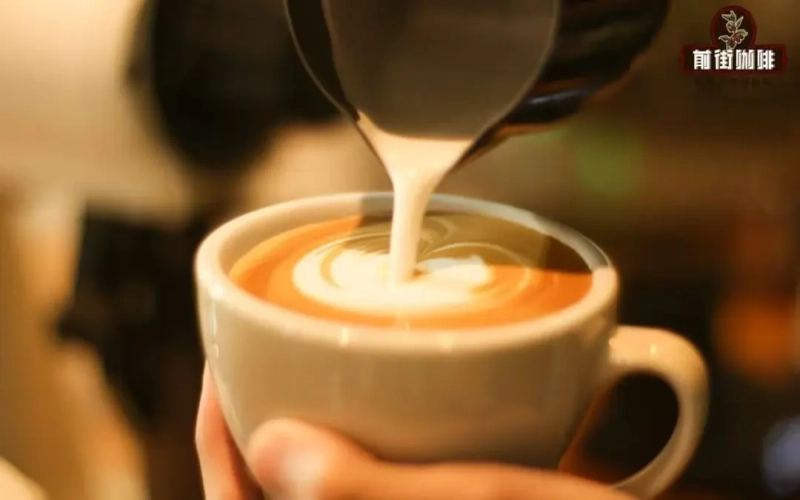
Latte, cappuccino, flat white, and Dirty all rely on milk, but what would the final taste be if you swapped in soy milk, milk powder, banana milk, Wangzai milk, or AD calcium milk? This time, Front Street Coffee made lattes one by one using five types of non-fresh milk ingredients, all with Front Street Espresso Blend · Strawberry Candy Espresso, using a 1:5 coffee-to-milk ratio for a hot-and-cold comparison, focusing on aroma integration, sweetness, smoothness of mouthfeel, milk foam performance, and whether it is suitable for latte art. The article not only preserves parameters that can be directly replicated, but also gives judgments on the pros and cons of each ingredient, making it a reference for enthusiasts who want to make specialty coffee at home or in a shop. [more…]
Luckin Coffee's 2023 price list is out: Differences in store pricing spark heated discussion—is self-pickup actually more expensive than delivery?
Luckin Coffee's latest 2023 store price list has been announced, clearly listing prices for series such as the Classic Latte, SOE Little Black Cup, and the Raw Coconut Family. However, consumers have recently discovered that the same drink is priced differently at different stores, and in some cases the pickup price is even higher than the delivery price—a phenomenon that has sparked widespread discussion. Luckin Coffee officially responded that, due to differences in logistics and operating costs, stores may apply for price adjustments, with a maximum increase of 3 yuan. This article compiles the complete price list and reviews the changes in Luckin's pricing strategy and their impact on consumers. [more…]